


Every child has emotional ups and downs. Some children become quiet after a stressful week at school. Others may act out after a fight with friends or changes at home. These moments are part of growing up. But there are times when changes in behavior become deeper, longer, and harder to manage. When emotional struggles begin affecting daily life, school performance, sleep, relationships, or physical health, parents may need outside support.
Many parents delay therapy because they think their child will “grow out of it.” Others worry about judgment from family or society. Some feel guilty and believe asking for help means they failed as parents. In reality, seeking therapy early often prevents larger emotional problems later. A therapist can help children understand feelings they cannot explain on their own.
Children rarely say directly, “I need help.” Instead, they show signs through behavior, emotions, physical complaints, or changes in habits. Parents who notice these signs early can make a major difference in their child’s emotional health and future confidence.
The sections below explain common and less obvious signs that may suggest a child could benefit from therapy, along with practical examples and guidance for parents.
When Small Emotional Changes Start Becoming Daily Patterns

Children naturally change moods throughout the day. One moment they are laughing, and the next they may feel upset. But when emotional changes continue for weeks and begin affecting routines, it deserves attention.
Some children become unusually angry. Others withdraw completely. A child who once enjoyed family dinners may suddenly isolate themselves in their room. A normally confident child may become fearful about simple activities.
Parents should focus less on one bad day and more on repeated behavior patterns.
Common emotional changes parents often notice include:
- Frequent crying without a clear reason
- Strong anger over small situations
- Fear of school or social settings
- Sudden sadness lasting many days
- Loss of interest in hobbies
- Low confidence or negative self-talk
- Feeling “empty” or emotionally disconnected
- Excessive guilt after minor mistakes
For example, an eight-year-old child who used to enjoy football may suddenly stop attending practice and refuse to speak about it. A teenager who once enjoyed friends may begin avoiding calls and staying alone for long periods.
These signs do not always mean a severe mental health condition exists. However, they often show emotional stress that needs support before it grows worse.
| Emotional Change | What Parents Often Notice | Possible Emotional Meaning |
|---|---|---|
| Frequent irritability | Child gets angry quickly | Stress, anxiety, frustration |
| Social withdrawal | Avoiding friends or family | Depression, fear, low confidence |
| Sudden clinginess | Child refuses separation | Anxiety or insecurity |
| Emotional numbness | Lack of excitement or emotion | Emotional exhaustion |
| Fearful behavior | Excessive worrying | Anxiety or past stressful event |
Child psychologist Dr. Lisa Damour once explained that emotional pain in children often appears through behavior before words. Many children simply do not have the language skills to explain what they feel internally.
This is why behavior matters so much.
School Problems That May Be More Than Academic Struggles
Parents often assume poor grades mean laziness or lack of focus. In many cases, emotional struggles are hidden underneath academic decline.
A child experiencing anxiety may struggle to concentrate during class. A depressed child may stop caring about homework because emotional energy is already drained. Bullying, fear of failure, or social pressure can also deeply affect school performance.
Important warning signs include:
- Sudden drop in grades
- Frequent school absences
- Complaints of headaches before school
- Fear of presentations or participation
- Panic during exams
- Difficulty concentrating
- Aggressive behavior toward classmates
- Repeated visits to the school nurse
- Refusing to attend school
Sometimes parents punish these behaviors without understanding the emotional reason behind them. This can increase shame and make the child hide struggles even more.
Consider a child who frequently says they feel sick every Monday morning. Medical tests show nothing wrong physically. Later, parents discover the child fears being bullied during lunch breaks.
Therapy can help identify hidden causes that are not visible at home.
Teachers are often among the first adults to notice emotional distress because children spend large parts of their day in school settings. If multiple teachers mention concerning behavior, parents should take those observations seriously.
Helpful actions parents can take include:
- Speak calmly with teachers instead of defensively
- Ask open-ended questions to the child
- Observe patterns around school days
- Avoid comparing siblings academically
- Focus on emotional support before punishment
Children perform best emotionally when they feel safe, understood, and supported.
Physical Complaints That May Be Connected to Emotional Stress
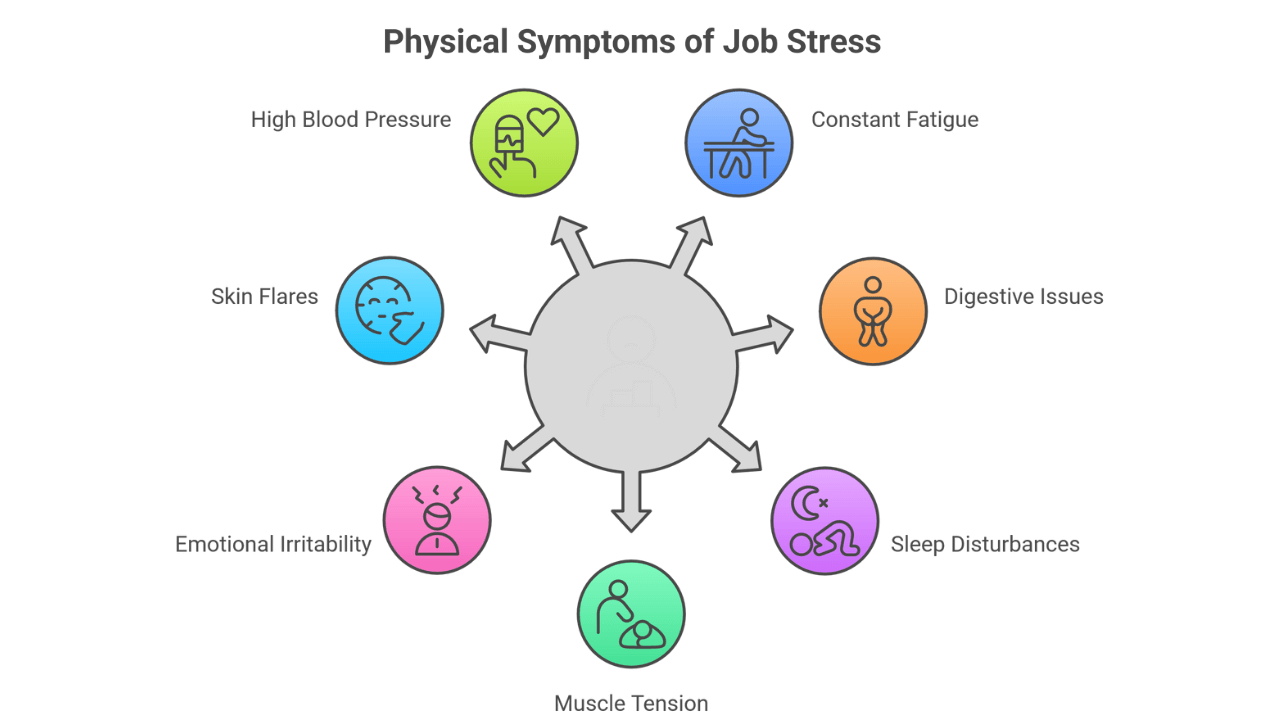
Children sometimes express emotional pain through physical symptoms because they cannot explain emotions clearly.
Stress and anxiety affect the body directly. Some children develop stomach pain before stressful events. Others experience headaches, sleep problems, nausea, or fatigue without medical causes.
Parents often move from doctor to doctor searching for physical explanations while the real issue remains emotional distress.
Common stress-related physical symptoms include:
- Frequent stomachaches
- Headaches without illness
- Sudden sleep problems
- Nightmares
- Bedwetting after previously stopping
- Fatigue or low energy
- Changes in appetite
- Nail biting or skin picking
- Rapid heartbeat during stress
A child facing emotional pressure may genuinely feel physical pain. The symptoms are real even when medical tests appear normal.
One overlooked sign is sudden changes in eating habits. Some children eat much less when anxious, while others overeat for comfort. Teenagers especially may develop unhealthy relationships with food when emotional struggles go unnoticed.
Parents should avoid statements like:
- “It’s all in your head.”
- “You’re being dramatic.”
- “There’s nothing wrong with you.”
Such comments can make children feel ashamed for emotions they already struggle to understand.
Instead, parents can say:
- “I can see this is upsetting you.”
- “Your feelings matter.”
- “We’ll figure this out together.”
Therapists often help children connect emotions with physical sensations, which teaches emotional awareness and healthier coping skills.
Sudden Personality Changes That Feel Unusual
Parents know their child’s normal personality better than anyone. When a child’s behavior changes sharply for an extended period, it should not be ignored.
A naturally outgoing child becoming silent for months may signal emotional distress. Likewise, a calm child suddenly becoming aggressive can point toward hidden emotional pain.
Major personality shifts can include:
- Increased aggression
- Extreme sensitivity
- Isolation
- Constant boredom
- Loss of motivation
- Reckless behavior
- Fearfulness
- Sudden maturity beyond their age
- Lack of emotional reaction
Sometimes these changes appear after major life events such as:
- Divorce
- Moving homes
- Loss of a family member
- Bullying
- Academic pressure
- Family conflict
- Illness
- Exposure to violence
Children do not process stress the same way adults do. Some become angry. Others become emotionally distant.
Parents often expect children to “move on” quickly after difficult experiences, but emotional recovery may take much longer than expected.
Therapy gives children a safe place where they can speak without fear of punishment, embarrassment, or disappointing their parents.
Anxiety That Starts Controlling Daily Life
Many children worry sometimes. But anxiety becomes serious when fear begins controlling decisions, routines, and behavior.
An anxious child may avoid activities they once enjoyed. They may seek constant reassurance or panic over small uncertainties.
Common anxiety signs include:
- Excessive worrying
- Fear of making mistakes
- Panic attacks
- Trouble sleeping
- Avoiding social situations
- Needing constant reassurance
- Fear of separation from parents
- Repetitive nervous habits
- Overthinking simple situations
One important detail parents often miss is perfectionism. Some children appear “high-achieving” on the outside while secretly struggling with severe anxiety internally.
These children may:
- Cry after getting minor mistakes wrong
- Panic over grades
- Fear disappointing adults
- Spend hours rechecking homework
- Become emotionally overwhelmed by criticism
Anxiety in children is not always loud or dramatic. Sometimes it appears through overachievement, silence, or constant self-pressure.
| Anxiety Sign | How It Appears at Home | Long-Term Risk if Ignored |
| Constant reassurance seeking | Asking “Are you sure?” repeatedly | Dependency and low confidence |
| Panic during separation | Refusing school or sleepovers | Social isolation |
| Perfectionism | Fear of mistakes | Burnout and chronic anxiety |
| Avoidance behavior | Skipping activities | Reduced emotional growth |
| Physical stress symptoms | Headaches or nausea | Ongoing stress-related health issues |
Therapy helps children learn coping skills, emotional regulation, and healthier thinking patterns before anxiety shapes their entire identity.
Behavioral Problems That May Hide Emotional Pain
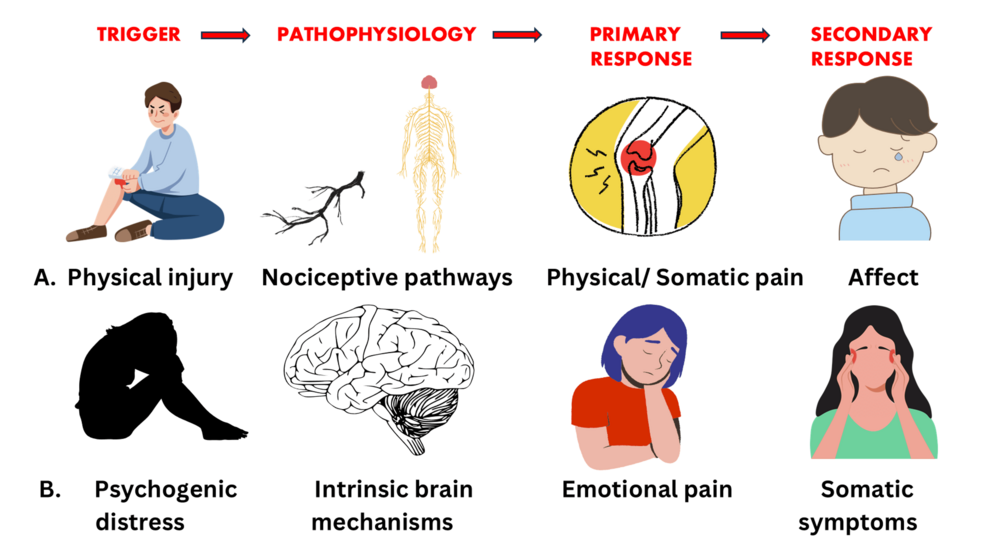
Children who act aggressively are often labeled as “bad,” “disrespectful,” or “out of control.” But difficult behavior frequently comes from emotional struggles underneath.
Anger is easier for many children to express than sadness or fear.
Warning signs include:
- Frequent tantrums beyond expected age
- Hitting siblings or classmates
- Destructive behavior
- Defiance toward authority
- Extreme emotional reactions
- Threatening behavior
- Cruelty toward animals
- Sudden risk-taking
- Running away from home or school
Punishment alone rarely fixes these behaviors if emotional pain remains untreated.
For example, a child struggling with bullying may begin fighting classmates because aggression feels safer than vulnerability. Another child experiencing family conflict may release stress through destructive behavior.
Therapy helps identify the emotional root behind behavior instead of only reacting to the surface problem.
Parents should ask themselves:
- What happened before this behavior started?
- Is my child trying to communicate distress?
- Have there been recent major changes?
- Does the behavior happen in specific situations?
Behavior is communication, especially in children who cannot fully express emotions verbally.
Trauma Signs Parents Often Miss
Trauma does not only come from extreme situations. Children can experience trauma from events adults may underestimate.
Possible traumatic experiences include:
- Witnessing violence
- Serious accidents
- Bullying
- Emotional neglect
- Medical procedures
- Sudden loss
- Domestic conflict
- Natural disasters
- Online harassment
Children respond differently to trauma depending on age, personality, and support systems.
Trauma signs may include:
- Nightmares
- Emotional numbness
- Hyper-alert behavior
- Fear of certain places
- Regression to younger behaviors
- Difficulty trusting others
- Sudden emotional outbursts
- Memory problems
- Detachment from reality
A child who once slept independently may suddenly fear sleeping alone after a stressful event. Another may become unusually aggressive after witnessing conflict at home.
One major mistake adults make is assuming children are “too young to remember.” Even very young children absorb emotional environments deeply.
Therapy can help children process frightening experiences safely before long-term emotional patterns develop.
Social Struggles That Go Beyond Shyness
Not every quiet child needs therapy. Some children naturally enjoy solitude. The concern begins when social struggles create distress or interfere with daily life.
Signs to watch include:
- Extreme fear of social interaction
- No close friendships
- Isolation during group activities
- Fear of being judged
- Intense sensitivity to rejection
- Difficulty understanding social cues
- Emotional breakdowns after social events
- Avoiding eye contact consistently
Children struggling socially may develop loneliness, depression, or low self-worth over time.
Teenagers are especially vulnerable because peer relationships become deeply connected to identity and confidence.
Social struggles today are also strongly connected to digital life. Online bullying, social media pressure, and constant comparison affect children much earlier than previous generations.
Parents should pay attention to emotional reactions after online activity.
Signs of online-related emotional distress include:
- Sudden sadness after phone use
- Obsession with likes or comments
- Comparing appearance constantly
- Fear of missing out
- Emotional breakdowns after social media interactions
Therapy can help children build confidence, communication skills, and emotional resilience in social situations.
Grief That Lasts Longer Than Expected

Children experience grief differently from adults. Some appear emotionally normal at first and show distress months later.
Losses affecting children can include:
- Death of family members
- Divorce
- Losing pets
- Friendship breakups
- Moving schools
- Separation from caregivers
Grieving children may show:
- Anger
- Withdrawal
- Confusion
- Academic decline
- Sleep changes
- Fear of abandonment
- Emotional numbness
- Regression
One unique challenge with child grief is that emotions often appear in waves. A child may seem fine for weeks before suddenly becoming emotional again.
Parents sometimes avoid discussing loss because they want to protect children from pain. In reality, silence can create confusion and emotional isolation.
Therapy gives children permission to express grief openly without feeling like they are burdening adults.
Self-Harm and Dangerous Emotional Warning Signs
Some signs require immediate professional support.
Serious warning signs include:
- Talking about hopelessness
- Self-harm behaviors
- Statements about wanting to disappear
- Extreme isolation
- Giving away possessions
- Sudden calmness after severe sadness
- Dangerous risk-taking
- Interest in death or suicide themes
Parents sometimes dismiss these statements as “attention-seeking.” That is a dangerous mistake.
Even indirect comments matter, such as:
- “Nobody would care if I disappeared.”
- “I’m tired of everything.”
- “I hate myself.”
- “Everyone would be happier without me.”
Children and teenagers may not fully understand death, but emotional pain can still become overwhelming.
Immediate professional help is necessary when these signs appear.
Parents should respond calmly, seriously, and without judgment.
Helpful responses include:
- “I’m glad you told me.”
- “You don’t have to handle this alone.”
- “We will get support together.”
Avoid reactions that increase shame such as anger, panic, or punishment.
Why Early Therapy Often Prevents Bigger Problems Later
One harmful myth is that therapy should only happen during severe crises.
In reality, early support often prevents years of emotional difficulty.
Therapy can help children:
- Understand emotions
- Build confidence
- Improve communication
- Develop coping skills
- Handle stress safely
- Improve relationships
- Reduce anxiety
- Strengthen emotional resilience
Children who receive emotional support early are often better equipped to handle future stress, academic pressure, relationships, and life changes.
Therapy is not about “fixing” children. It is about giving them emotional tools.
Parents who seek help early are not weak. They are paying attention.
What Happens During Child Therapy Sessions
Many parents avoid therapy because they imagine cold offices and uncomfortable conversations.
Child therapy usually looks very different.
Therapists often use:
- Play activities
- Drawing
- Storytelling
- Games
- Art
- Role-playing
- Guided conversations
Young children express emotions more naturally through activities than direct discussion.
Teenagers may initially resist therapy because they fear judgment or forced conversations. Good therapists build trust slowly rather than pressuring children immediately.
Parents are often included in parts of the process as well. Family involvement can improve outcomes significantly.
Therapy is rarely a quick fix. Emotional healing takes time, consistency, and patience.
Mistakes Parents Often Make Without Realizing It
Parents usually act with good intentions, but some reactions accidentally make emotional struggles worse.
Common mistakes include:
- Comparing siblings
- Dismissing emotions
- Using shame as discipline
- Forcing children to “toughen up”
- Ignoring emotional warning signs
- Expecting children to act like adults
- Punishing anxiety-based behavior
- Avoiding difficult conversations
Children need emotional safety before they can regulate emotions properly.
Parents do not need to become perfect. They simply need awareness, patience, and willingness to listen.
Helpful parenting habits include:
- Listening without interrupting
- Validating feelings
- Maintaining routines
- Modeling emotional regulation
- Encouraging healthy expression
- Avoiding emotional humiliation
Children learn emotional habits largely from observing adults around them.
How to Talk to Your Child About Therapy
Some children feel nervous when therapy is mentioned. Parents should avoid making therapy sound like punishment.
Avoid saying:
- “You need help because your behavior is bad.”
- “You have problems.”
- “The therapist will fix you.”
Better approaches include:
- “This is someone who helps kids with feelings.”
- “You deserve support.”
- “Talking to someone can make hard things easier.”
Parents should also avoid forcing children to reveal everything after sessions. Therapy works best when children feel privacy and trust.
Supportive curiosity is healthier than interrogation.
For example:
- “How did it feel today?”
- “Was there anything interesting you talked about?”
Children open up more when they feel emotionally safe rather than pressured.