


Your mind does not just “switch off” when you lie down. It slows down only when your body and habits tell it that it is safe to rest. If your routine is messy or your thoughts are left unfinished, your brain keeps working.
I’ve seen this often in practice. People say, “I’m tired, but my mind won’t stop.” The issue is not sleep itself. it’s what happens before sleep.
Why Your Mind Stays Busy at Night

During the day, your brain is distracted. At night, there is silence, and your thoughts get louder. This is normal, but when you don’t manage it, it turns into stress.
Some common triggers include:
- Thinking about unfinished tasks
- Worrying about future problems
- Replaying conversations
- Using your phone too close to bedtime
A child can understand it like this: your brain is like a toy that keeps spinning unless you gently slow it down.
What Happens When You Don’t Calm Your Mind
When your brain stays active at night, your sleep becomes light and broken. You may fall asleep, but you don’t feel rested.
Here’s what I’ve noticed in people with poor sleep habits:
- They wake up tired even after many hours in bed
- They feel irritated for small reasons
- Their focus drops quickly
- Their body feels heavy and slow
Your brain needs quiet time to repair itself. Without it, everything feels harder.
Simple Night Habits That Actually Work
You don’t need a complicated routine. You need a repeatable one. The brain learns through repetition, not effort.
Try building a calm pattern like this:
- Lower the lights in your room
- Stop using your phone at least 30 minutes before bed
- Sit quietly or read something simple
- Go to bed at the same time every night
One patient told me that just turning off lights early helped more than any sleep app. That’s because your brain reacts strongly to light changes.
A Few Easy Ways to Relax Your Mind
Not every method works for everyone. The key is to test simple actions and keep what works.
Some effective options include:
- Slow breathing while lying down
- Writing your thoughts in a notebook
- Listening to calm sounds
- Gentle stretching before bed
You don’t need to do all of them. Even one done daily can help.
What Actually Helps vs What Makes It Worse
| Habit | Effect on Mind |
|---|---|
| Checking phone in bed | Keeps brain alert |
| Writing thoughts down | Clears mental load |
| Drinking caffeine late | Increases restlessness |
| Deep breathing | Slows heart rate |
| Irregular sleep time | Confuses body clock |
| Soft lighting | Signals rest |
Writing Before Bed Is More Powerful Than You Think
Many people ignore this, but it works better than expected.
Instead of thinking in circles, you move your thoughts onto paper. This tells your brain, “I don’t need to remember this right now.”
You can write:
- What worried you today
- What you need to do tomorrow
- One thing that went well
It doesn’t need to be long. Even a few lines can reduce mental noise.
The Role of Breathing in Calming the Mind
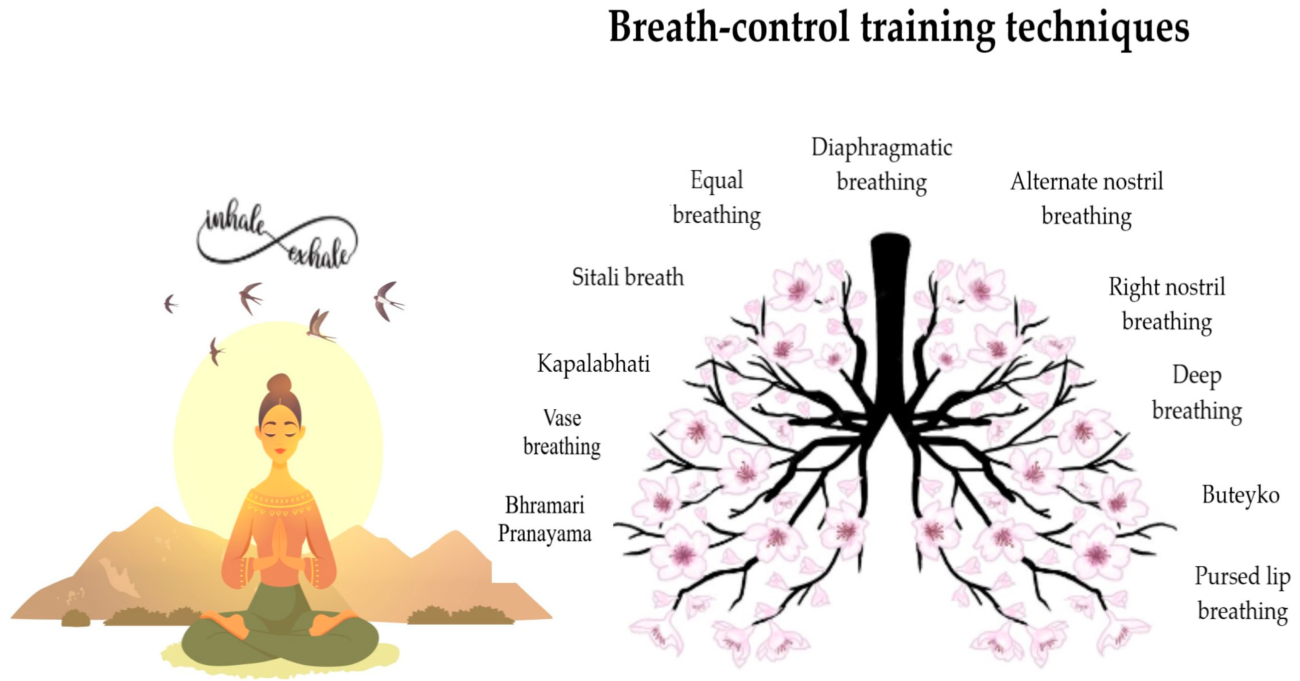
Your breathing directly controls your stress level.
When you breathe fast, your body stays alert. When you slow it down, your body relaxes.
Try this simple pattern:
- Breathe in slowly
- Hold for a few seconds
- Breathe out longer than you inhaled
After a few rounds, your body starts to settle. This is not theory it’s a physical response.
Why Screens Are a Hidden Problem
Many people say, “I just scroll to relax.” That’s incorrect.
Screens keep your brain active, even if you feel relaxed.
They:
- Send bright light to your eyes
- Trigger emotional reactions
- Keep your thoughts moving
Replacing screen time with something quiet makes a noticeable difference within days.
Food and Timing Also Matter

Your body cannot rest if it is busy digesting heavy food or reacting to stimulants.
Avoid:
- Coffee late in the day
- Sugary snacks before bed
- Large meals close to sleep
Better choices include light and simple options that don’t overload your system.
Small Changes That Bring Real Results

People often think they need big changes. That’s not true.
Real improvement comes from small, repeated actions.
Here are a few that consistently work:
- Keeping the same sleep time every day
- Reducing noise and light in the room
- Giving your mind a clear “end of day” signal
- Avoiding last-minute stress activities
One thing I’ve learned is this: your brain doesn’t need force it needs signals. When you give it the right signals, it slows down naturally.
Final Thought
If your mind feels busy at night, it doesn’t mean something is wrong with you. It means your brain has not been given the right conditions to rest.
Calming your mind is not about doing more. It’s about removing what keeps it active and adding simple habits that guide it toward rest.