


Mindfulness therapy has seen a significant rise in popularity over recent years. It’s now widely used as a tool to improve mental health and overall wellbeing. As digital health services continue to grow, online mindfulness therapy has emerged as an accessible option for individuals seeking mental clarity, stress relief, and emotional balance.
Mindfulness, in its essence, is being fully in the present where you are attentive to your thoughts, feelings, and bodily sensations without evaluation. The online mindfulness therapy adopts this concept and puts it into the digital era, whereby individuals can access therapeutic practices in the comfort of their homes. However, so what does it imply to those who are interested in self-improvement? Is online therapy as effective as face-to-face therapy?
We think it can do so, at Boundhub. There are special advantages of online mindfulness therapy, which are adapted to the present-day lifestyle. More than a means to deal with stress or anxiety, it is an avenue to emotional stability, clarity, and mental wellness in the long term.
This guide aims to discuss the mechanism of online mindfulness therapy, list the numerous advantages of this treatment and offer some useful tips that help to make the best out of it.
We will also touch upon real-life cases and give a reflection on what can be done by people to easily include mindfulness practices in their everyday life.
Online mindfulness therapy might be the solution to changing your wellbeing whether you need it to feel relaxed and relieved of stress, have an emotional boost, and just have a more focused way of thinking.
The Basics of Mindfulness Therapy
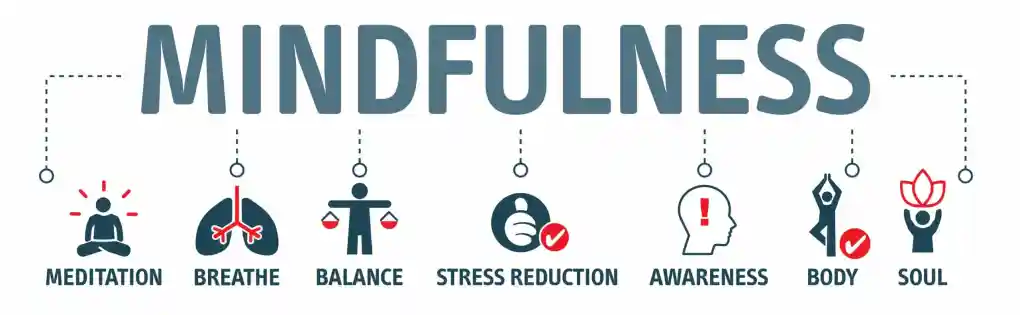
Mindfulness therapy uses simple practices and techniques to help people focus their attention on the present moment. These practices are rooted in Buddhist meditation traditions, but they have been adapted for modern therapeutic contexts. Online mindfulness therapy involves virtual sessions where therapists guide clients through various mindfulness exercises. The objective is to teach clients how to manage their stress, anxiety, and other emotional challenges by focusing on the present moment.
The fundamental aspects of mindfulness therapy.
- Awareness: Being aware of your thoughts, feelings, and body without judgment.
- Presence: Fully experiencing the present moment without distractions or multitasking.
- Non-judgmental acceptance: Acknowledging your thoughts and emotions without labeling them as good or bad.
- Breathing exercises: Deep breathing is often used to help ground oneself in the present.
Through mindfulness, clients learn to recognize negative patterns and how to interrupt them by focusing on their breath, sensations, or surroundings. By regularly practicing these techniques, people can rewire their brains to respond to stress more calmly.
How It Differs from Other Therapies

Unlike traditional therapies, which may involve talk sessions and exploration of past events, mindfulness therapy focuses on awareness and living in the present. It emphasizes developing coping strategies to handle life’s challenges more effectively, without necessarily needing to delve into past trauma or deep psychological issues.
Benefits of Online Mindfulness Therapy
Online mindfulness therapy offers several distinct advantages over traditional face-to-face therapy. Some people find it more convenient, while others appreciate the anonymity and comfort of engaging in therapy from home.
Convenience and Accessibility
- Anytime, Anywhere: With online therapy, individuals can attend sessions at a time that suits them and from the comfort of their own home. This makes it easier for people with busy schedules or mobility issues to access therapy.
- Global Access: People can connect with therapists from different parts of the world, choosing someone who best matches their needs or preferences.
- Reduced Barriers: For people who live in areas with limited access to mental health professionals, online therapy breaks down these geographical and social barriers.
Privacy and Comfort
- Comfortable Setting: Being at home can help clients feel more relaxed and open during their sessions. They can also have their personal environment, such as a favorite chair or a soothing background, which may help reduce anxiety.
- Anonymity: Some people feel more comfortable expressing themselves when they’re not in a physical room with a therapist. The screen between them and the therapist may allow for more honest communication.
Affordability
- Cost-Effective: Online therapy can often be less expensive than in-person therapy due to lower overhead costs for therapists. This can make therapy more accessible to a wider audience.
How Online Mindfulness Therapy Works
Choosing a Boundhub Platform

Selecting the right platform is key. Online therapy services vary in quality and features, so it’s important to choose one that fits your needs. Platforms typically offer live video sessions, recorded sessions, or guided meditation exercises.
- Live Video Sessions: These are similar to traditional therapy, but they occur over video calls.
- Guided Sessions: Many platforms provide pre-recorded guided mindfulness sessions, which can be useful for practicing at your own pace.
Typical Online Therapy Structure
- Initial Consultation: The first session generally involves an assessment where the therapist learns about your needs and goals.
- Regular Sessions: After that, the therapist guides you through various mindfulness practices, including meditation, breathing exercises, and cognitive strategies for reducing stress.
- Homework Assignments: Clients may be asked to practice mindfulness techniques outside of the session, either through exercises or journaling.
Tools and Techniques
- Mindfulness Apps: Many platforms use apps to track progress and provide reminders for daily mindfulness practice.
- Breathing Exercises: Guided sessions often include breathing exercises like deep belly breathing or box breathing to help calm the mind.
- Body Scans: The therapist may guide you through body scans where you check in with different parts of your body, noticing sensations, tension, or relaxation.
Practical Tips for Maximizing the Benefits of Online Mindfulness Therapy
While online mindfulness therapy can be highly effective, its success depends on how committed and engaged the individual is. Here are some practical tips to help make the most of the experience:
Create a Consistent Practice Routine
- Schedule Sessions Regularly: Like any therapy, consistency is key. Try to attend your sessions at the same time each week.
- Practice Between Sessions: Engage in mindfulness exercises regularly between sessions to reinforce what you’ve learned.
Be Open and Honest
- Express Yourself Clearly: Don’t hold back during sessions. Online therapy can sometimes feel less personal, but remember the therapist is there to help you.
- Discuss Challenges: If something isn’t working for you or if you’re struggling with a technique, bring it up in your session. Transparency will help your therapist better tailor your sessions.
Choose a Comfortable Environment
- Find a Quiet Space: Ensure that you’re in a calm, quiet space during sessions to avoid distractions.
- Comfort is Key: Sit in a position that allows you to relax and focus. This could be a comfortable chair or a meditation cushion.
Overcoming Common Challenges in Online Mindfulness Therapy
While online mindfulness therapy offers many benefits, there are some challenges that clients may encounter. Understanding these hurdles can help you better prepare to address them.
Technical Issues
- Video and Audio Quality: Poor internet connections can make video calls frustrating. Make sure you have a stable connection and a good-quality camera and microphone.
- Distractions at Home: Being at home can introduce distractions, whether it’s family members, pets, or chores. To mitigate this, establish a quiet space where you can focus on your therapy.
Motivation and Accountability
- Staying Committed: Some people may struggle with motivation when it comes to attending online therapy or practicing mindfulness on their own. Setting reminders and treating sessions like an important appointment can help.
- Lack of Immediate Results: Mindfulness therapy is a gradual process. Clients may not feel instant changes, which can be discouraging. Be patient and focus on the small wins.
Finding the Right Therapist

- Trial and Error: Finding the right therapist can be a process of trial and error. Don’t hesitate to try a few different therapists until you find one that resonates with you.
- Specialization: Look for a therapist who specializes in mindfulness-based practices. This expertise will ensure that the therapist can effectively guide you through the process.
Examples of How Mindfulness Therapy Has Helped People
Case Study 1: Overcoming Anxiety
A young professional named Sarah had been struggling with chronic anxiety. After attending online mindfulness therapy for three months, she noticed a significant reduction in her anxiety levels. By practicing deep breathing and mindfulness exercises daily, Sarah was able to better manage her stress at work and in her personal life.
Case Study 2: Improving Sleep Quality
John, a middle-aged man, had difficulty falling asleep due to racing thoughts. Through mindfulness therapy, he learned techniques like body scans and breathing exercises. After a few weeks, John reported better sleep quality and felt more rested during the day.
Case Study 3: Managing Depression
Maria, a stay-at-home mom, was dealing with symptoms of depression. She found online mindfulness therapy to be an effective way to combat negative thinking patterns. With regular practice, Maria felt more engaged with her family and less weighed down by negative emotions.
Conclusion
Online mindfulness therapy provides a convenient, cost-effective, and efficient means through which people can enhance their mental health. With the help of mindfulness, individuals can cope with stress, decrease anxiety, and enjoy greater emotional balance by including mindfulness practices in their everyday routine. Although this can be painful and time-consuming, the reward in the long run cannot be denied, and the versatility of online platforms will make it simpler to allow individuals to involve mindfulness in their hectic schedules. Online mindfulness therapy might have the answer you are looking to manage your wellness, reduce stress, or gain emotional balance, whether you need it to improve yourself or aid in emotional healing.