


Stress and anxiety are part of modern life, but that doesn’t mean they should control how you think, feel, or act. Many people assume they must either tolerate stress or wait until it becomes severe before taking action. That approach is flawed. The better path is to understand how stress works, how anxiety builds, and how trained therapists guide people through it in practical ways.
This guide breaks things down into simple language, with real-world examples and therapist-backed methods you can apply immediately. It avoids vague advice and focuses on what actually works.
Understanding What Stress and Anxiety Really Are
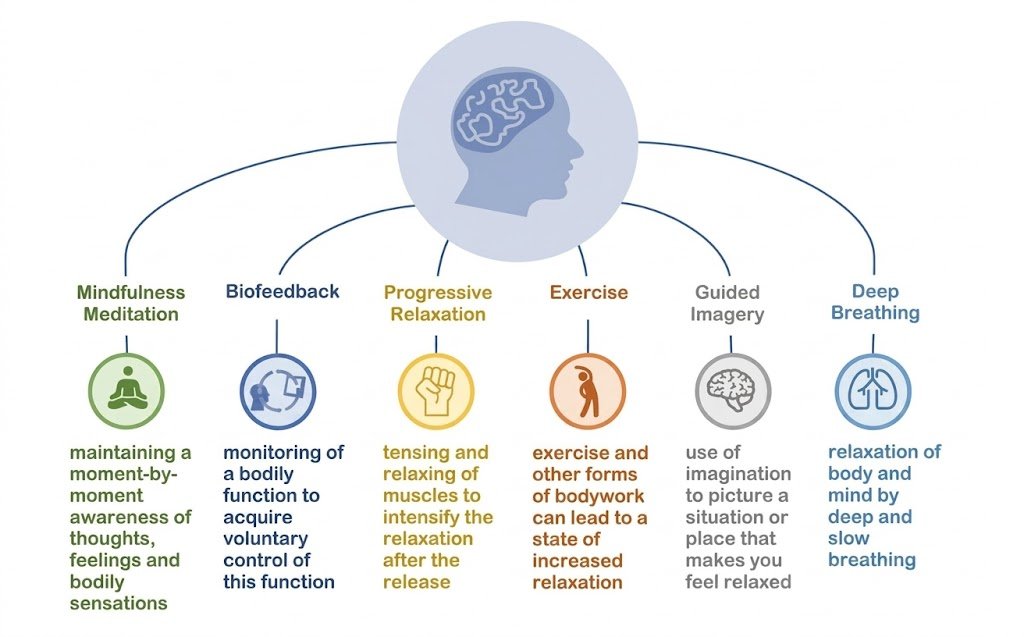
Stress is the body’s reaction to pressure. Anxiety is the mind’s reaction to uncertainty or perceived threat. They are connected, but not identical.
When stress becomes constant, anxiety often follows. Your brain starts predicting problems even when nothing is happening.
A therapist would explain it like this: your brain is trying to protect you, but it’s using outdated signals. What helped humans survive in danger now causes problems in daily life.
Differences Between Stress and Anxiety
| Factor | Stress | Anxiety |
|---|---|---|
| Trigger | External (work, deadlines) | Internal (thoughts, fear) |
| Duration | Usually short-term | Can last long-term |
| Physical signs | Muscle tension, fatigue | Rapid heartbeat, restlessness |
| Mental pattern | Overload | Worry loops |
Common Signs You Should Not Ignore
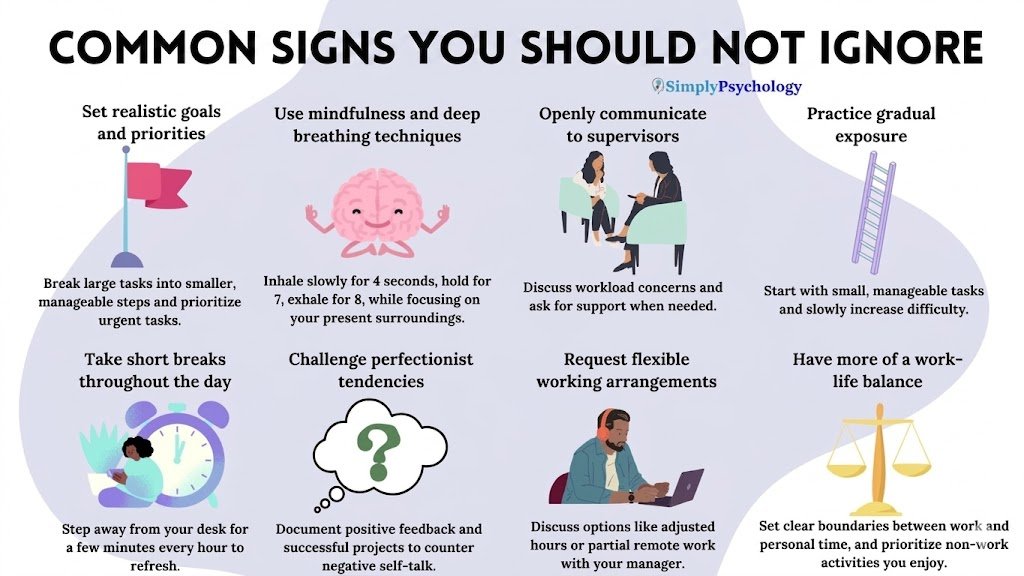
- Constant overthinking even during rest
- Feeling tired but unable to relax
- Avoiding situations without clear reason
- Irritability or sudden mood shifts
- Trouble focusing on simple tasks
Example
A person working long hours feels stressed because of deadlines. Later, even at home, they feel uneasy without any clear reason. That shift from situation-based pressure to constant unease is where anxiety begins.
How Therapists Approach Stress and Anxiety
Therapists don’t just “talk things out.” They use structured methods based on behavior, thinking patterns, and emotional responses.
One key method is identifying patterns: what triggers your stress, how you react, and what keeps it going.
A therapist once summarized it this way:
“Stress is not just what happens to you. It’s how your mind processes it repeatedly.”
| Area | What It Means | Why It Matters |
|---|---|---|
| Thought patterns | Repeated negative thinking | Drives anxiety cycles |
| Behavior | Avoidance or overwork | Reinforces stress |
| Emotional response | Fear, frustration | Builds intensity |
| Physical response | Body tension | Keeps stress active |
Typical Therapist Strategies
- Mapping your stress triggers
- Challenging negative thoughts
- Teaching body-based calming techniques
- Building routines that reduce overload
Example: Someone afraid of failing at work may keep checking emails repeatedly. The therapist helps them see that the checking behavior increases anxiety rather than reducing it.
The Role of Daily Habits in Managing Stress
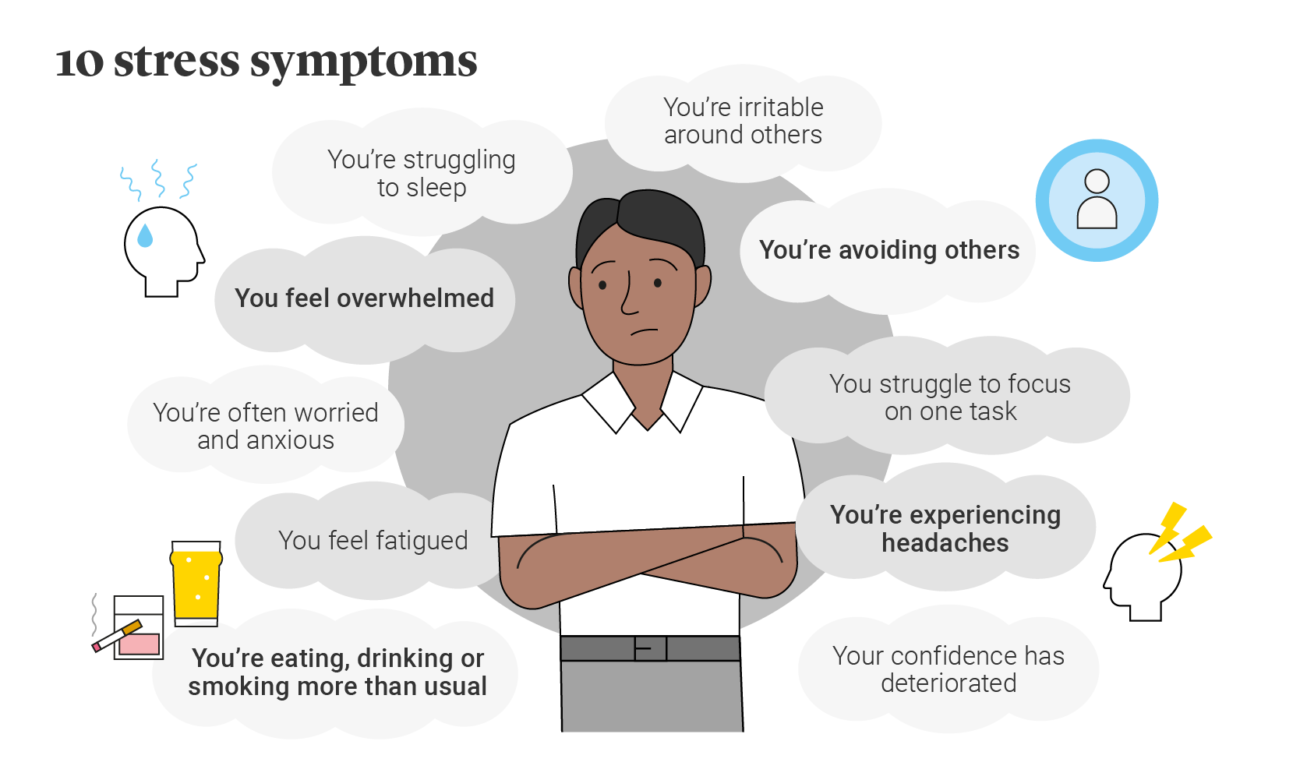
Therapists consistently point out one truth: small daily habits matter more than occasional big changes.
Most people look for major solutions but ignore simple patterns that quietly increase stress.
Daily Habits That Increase Stress Without You Noticing
- Skipping meals or irregular eating
- Constant phone use, especially at night
- Saying yes to everything
- Lack of clear boundaries
- Poor sleep timing
Healthy Habit Adjustments
| Habit | Problem | Better Alternative |
|---|---|---|
| Late-night scrolling | Keeps brain active | Set a fixed shutdown time |
| Multitasking | Reduces focus | Do one task at a time |
| Skipping breaks | Builds fatigue | Take short pauses every hour |
| Overcommitment | Creates pressure | Limit daily priorities |
Example
A student studies for hours without breaks, thinking it improves performance. In reality, their focus drops, and stress builds. Short breaks would improve both performance and mental state.
Understanding Thought Patterns That Cause Anxiety
Your thoughts are not always accurate. Many anxious thoughts are exaggerated or unrealistic.
Therapists call these “thinking distortions.”
Common Thinking Patterns That Increase Anxiety
- Assuming the worst outcome
- Overgeneralizing one bad experience
- Taking things personally
- Thinking in extremes (all or nothing)
Table of Thought Patterns and Corrections
| Distorted Thought | Reality Check |
|---|---|
| “I will fail completely” | What proof supports this? |
| “Everyone is judging me” | Most people are focused on themselves |
| “This always happens to me” | Is it really always? |
| “If this goes wrong, everything is ruined” | What are the actual consequences? |
Example
A person gives one poor presentation and thinks their career is over. A therapist would ask: what actual evidence shows that one mistake defines everything?
Simple Techniques Therapists Teach for Immediate Relief
Therapists often start with tools that reduce intensity quickly.
These methods don’t solve everything, but they stop stress from escalating.
Breathing Technique
Slow breathing signals the body to calm down.
- Inhale for 4 seconds
- Hold for 4 seconds
- Exhale for 6 seconds
Repeat several times.
Grounding Technique
Focus on the present moment.
- Name 5 things you see
- 4 things you feel
- 3 things you hear
- 2 things you smell
- 1 thing you taste
| Technique | Purpose | Best Time to Use |
|---|---|---|
| Deep breathing | Calm body | Panic or tension |
| Grounding | Reduce overthinking | Anxiety spikes |
| Short walk | Reset mind | Mental fatigue |
| Cold water splash | Interrupt stress | Sudden overwhelm |
Example
During a stressful meeting, instead of reacting immediately, someone uses slow breathing to stay calm and respond clearly.
How Avoidance Makes Anxiety Worse
Avoiding stressful situations feels safe in the short term but creates bigger problems later.
Therapists are direct about this: avoidance feeds anxiety.
How Avoidance Works
- You feel fear
- You avoid the situation
- Your brain learns the situation is dangerous
- Fear increases next time
Avoidance vs Facing Situations
| Behavior | Short-Term Effect | Long-Term Effect |
|---|---|---|
| Avoiding | Relief | Stronger anxiety |
| Facing gradually | Discomfort | Reduced anxiety |
Example
Someone avoids social gatherings because of anxiety. Over time, even small interactions become difficult. Facing situations slowly would reduce fear instead.
Building Emotional Awareness
Many people feel stressed but cannot explain why. This lack of clarity keeps the cycle going.
Therapists help people identify emotions clearly.
Basic Emotional Categories
- Fear
- Anger
- Sadness
- Frustration
- Guilt
Why This Matters
When you name an emotion, you reduce its intensity.
Emotions and Hidden Causes
| Emotion | Possible Cause |
|---|---|
| Anger | Feeling ignored |
| Anxiety | Uncertainty |
| Sadness | Loss or disappointment |
| Frustration | Lack of control |
Example
Instead of saying “I feel stressed,” identifying “I feel worried about job security” allows targeted action.
The Impact of Lifestyle on Mental Health
Therapists don’t ignore physical health. Your body directly affects your mental state.
Key Lifestyle Factors
- Sleep
- Nutrition
- Movement
- Screen time
| Factor | Poor Habit | Effect |
|---|---|---|
| Sleep | Irregular schedule | Increased anxiety |
| Diet | High sugar intake | Energy crashes |
| Exercise | No movement | Higher stress levels |
| Screen time | Constant exposure | Mental overload |
Example
A person sleeping only 5 hours a night will struggle with anxiety regardless of other efforts.
Setting Boundaries Without Guilt
Many people experience stress because they cannot say no.
Therapists emphasize that boundaries are not selfish—they are necessary.
Signs You Need Better Boundaries
- Feeling drained after interactions
- Saying yes when you want to say no
- Resentment toward others
- Lack of personal time
Boundary Examples
| Situation | Weak Response | Strong Response |
|---|---|---|
| Extra work | “I’ll try” | “I can’t take this on right now” |
| Social plans | “Maybe later” | “I need rest today” |
| Personal space | Silence | Clear communication |
Example
Someone constantly agrees to extra tasks at work. Over time, stress builds. Setting limits prevents overload.
The Role of Support Systems
Therapists encourage building reliable support systems.
But not all support is helpful. Some people increase stress instead.
Types of Support
- Emotional (listening, understanding)
- Practical (help with tasks)
- Informational (advice, guidance)
Support Quality Table
| Type | Helpful Behavior | Unhelpful Behavior |
|---|---|---|
| Emotional | Listening without judgment | Dismissing feelings |
| Practical | Offering help | Adding pressure |
| Informational | Clear advice | Overwhelming suggestions |
Example
Talking to someone who listens calmly reduces stress. Talking to someone who interrupts or criticizes increases it.
Long-Term Strategies Therapists Recommend
Short-term fixes are useful, but long-term change requires consistency.
Core Long-Term Strategies
- Regular reflection (journaling)
- Structured routines
- Gradual exposure to fears
- Ongoing therapy if needed
Long-Term Strategy Table
| Strategy | Benefit |
|---|---|
| Journaling | Clears thoughts |
| Routine building | Reduces uncertainty |
| Exposure practice | Reduces fear |
| Therapy sessions | Guided progress |
Example
Writing daily thoughts helps identify patterns that trigger anxiety.
Common Mistakes People Make When Managing Stress
Many people unintentionally make stress worse.
Frequent Mistakes
- Ignoring early signs
- Relying only on distractions
- Expecting quick fixes
- Comparing with others
Mistake vs Reality Table
| Mistake | Reality |
|---|---|
| “It will go away on its own” | It usually grows |
| “I just need motivation” | You need structure |
| “Others handle it better” | Everyone struggles differently |
Example
Someone watches videos to distract from stress. It works briefly, but the problem remains unresolved.
What Actually Works
Therapists agree on one core idea: managing stress is not about removing pressure completely. It’s about changing how you respond to it.
You cannot control every situation, but you can control your habits, thoughts, and reactions.
Source References
- https://www.researchgate.net/publication/275343767_A_Meta-analysis_of_CBT_Components_for_Anxiety_Disorders
- https://www.researchgate.net/publication/283871955_Cognitive-behavioral_therapy_for_anxiety_disorders_an_update_on_the_empirical_evidence
- https://pmc.ncbi.nlm.nih.gov/articles/PMC9366007/
- https://www.researchgate.net/publication/313945466_Cognitive_Behaviour_Therapy_for_Health_Anxiety_A_Systematic_Review_and_Meta-Analysis
- https://pmc.ncbi.nlm.nih.gov/articles/PMC3263389/
- https://pubmed.ncbi.nlm.nih.gov/29451967/
- https://www.researchgate.net/publication/392639949_CBT_treatment_delivery_formats_for_generalized_anxiety_disorder_a_systematic_review_and_network_meta-analysis_of_randomized_controlled_trials
- https://www.researchgate.net/publication/266061310_Effectiveness_of_Cognitive_Behavioural_Therapy_for_Anxiety_and_Depression_in_Primary_Care_a_Meta-analysis
- https://www.hilarispublisher.com/open-access/cognitive-behavioural-therapy-for-treating-anxiety-disorders-a-metaanalysis.pdf
- https://jamanetwork.com/journals/jamapsychiatry/fullarticle/2810866