


Mental health is not built in one big moment. It grows slowly through small actions repeated every day. Many people think mental health only matters during stress, sadness, burnout, or emotional breakdowns. The truth is different. Mental health is shaped by daily routines, sleep habits, relationships, thoughts, food, movement, and even the way you speak to yourself.
People often wait until they feel exhausted before paying attention to emotional health. By then, stress has usually been building for months. Healthy habits work best before life feels overwhelming. Small changes done consistently protect the mind the same way brushing teeth protects oral health.
Good mental health does not mean being happy every second. It means handling stress better, recovering faster after hard moments, thinking clearly, and keeping emotional balance during busy or painful times.
Psychologists often explain mental wellness as a “daily maintenance system.” Just like the body needs water and food regularly, the brain also needs support every day.
Here are some signs your daily habits may already be helping your mental health:
| Healthy Sign | What It Usually Means |
|---|---|
| Better sleep | Lower stress levels |
| More patience | Emotional control improving |
| Less overthinking | Brain feels calmer |
| Stable energy | Nervous system balanced |
| Better focus | Mental overload reduced |
| More motivation | Emotional burnout lower |
| Easier social interaction | Anxiety levels reduced |
Mental health habits are often simple. The hard part is consistency.
Start the Morning Without Stress Signals
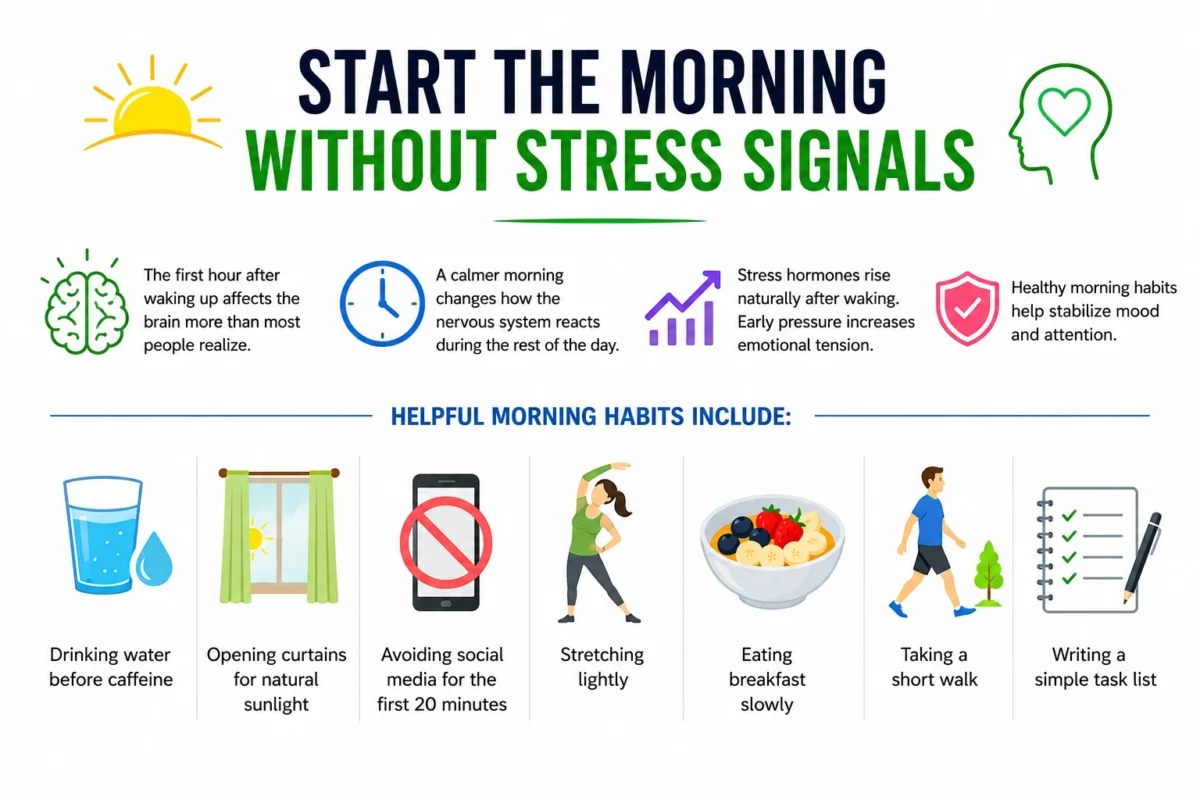
The first hour after waking up affects the brain more than most people realize. Many people begin the day by checking messages, reading bad news, or rushing immediately into work. That creates stress before the brain fully wakes up.
A calmer morning changes how the nervous system reacts during the rest of the day.
Research from sleep and behavioral experts shows that stress hormones rise naturally after waking. If the brain immediately receives more pressure from phones, emails, or arguments, emotional tension increases quickly.
Healthy morning habits help stabilize mood and attention.
Helpful morning habits include:
- Drinking water before caffeine
- Opening curtains for natural sunlight
- Avoiding social media for the first 20 minutes
- Stretching lightly
- Eating breakfast slowly
- Taking a short walk
- Writing a simple task list
Morning actions that often hurt mental health include:
| Habit | Mental Effect |
|---|---|
| Doom scrolling | Raises anxiety |
| Skipping breakfast | Increases irritability |
| Rushing constantly | Activates stress response |
| Checking work emails immediately | Mental overload starts early |
| Staying in dark rooms | Brain stays sluggish |
| Excess caffeine | Jitters and anxious feelings |
A calm morning does not require perfection. Even ten quiet minutes helps the brain settle before pressure begins.
Sleep Is the Base of Emotional Stability
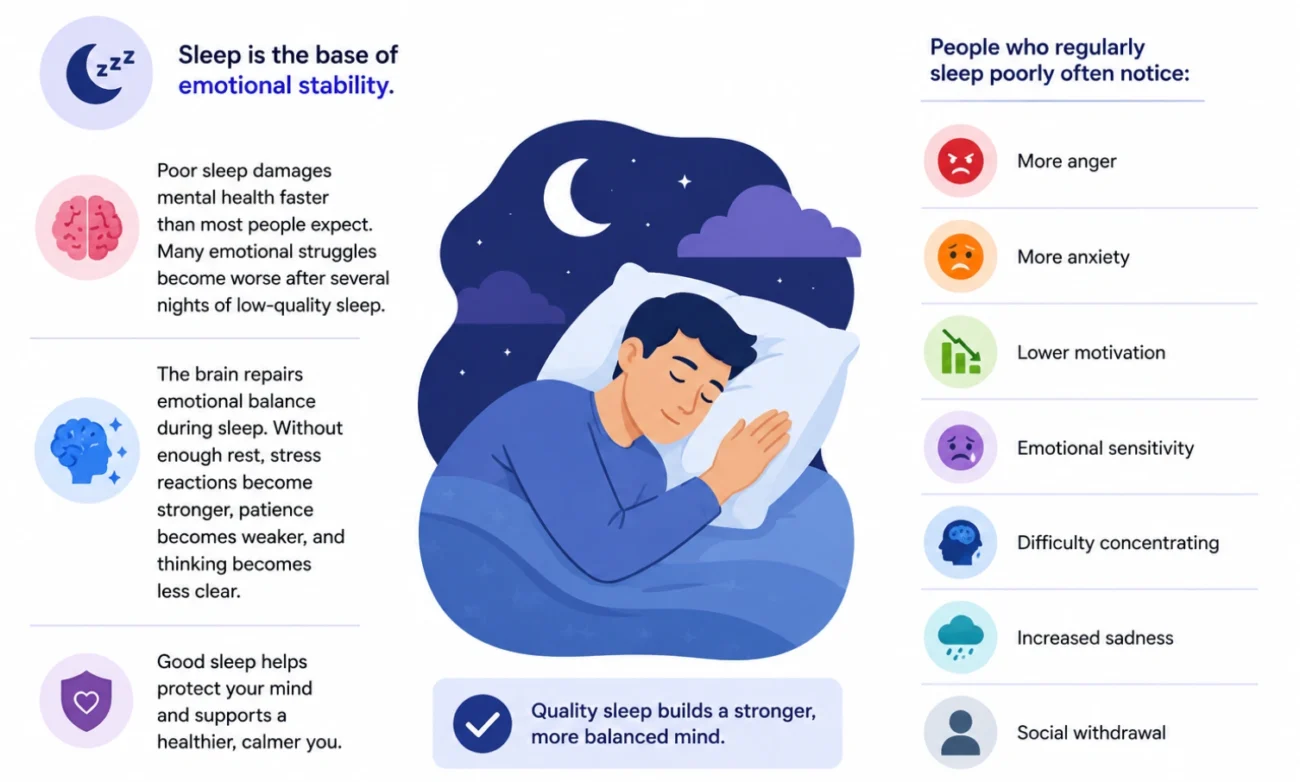
Poor sleep damages mental health faster than most people expect. Many emotional struggles become worse after several nights of low-quality sleep.
The brain repairs emotional balance during sleep. Without enough rest, stress reactions become stronger, patience becomes weaker, and thinking becomes less clear.
People who regularly sleep poorly often notice:
- More anger
- More anxiety
- Lower motivation
- Emotional sensitivity
- Difficulty concentrating
- Increased sadness
- Social withdrawal
Mental health specialists frequently describe sleep as “overnight emotional repair.”
Sleep habits that support mental health:
| Healthy Sleep Habit | Why It Helps |
|---|---|
| Sleeping at similar times daily | Stabilizes brain rhythms |
| Lowering screen use before bed | Helps melatonin production |
| Keeping the room cool | Improves sleep depth |
| Avoiding caffeine late | Reduces nighttime alertness |
| Limiting alcohol | Prevents sleep disruption |
| Quiet bedtime routine | Helps nervous system relax |
People often underestimate how much emotional stress comes from exhaustion.
One poor night may feel manageable. Weeks or months of poor sleep slowly weaken emotional resilience.
Move the Body to Calm the Mind

Exercise is one of the strongest daily mental health tools available. The goal is not extreme fitness. The goal is movement.
Walking, stretching, dancing, cycling, swimming, or basic workouts all help reduce stress chemicals inside the body.
Movement supports mental health because it:
- Releases tension
- Improves blood flow to the brain
- Supports sleep quality
- Reduces anxiety
- Improves self-confidence
- Creates emotional release
People who sit for long periods often experience mental fatigue even when physically rested.
Here is how different forms of movement affect emotional health:
| Activity | Mental Benefit |
|---|---|
| Walking | Clears mental clutter |
| Yoga | Reduces nervous system stress |
| Weight training | Builds confidence |
| Swimming | Calms racing thoughts |
| Dancing | Improves mood |
| Stretching | Releases physical tension |
| Team sports | Builds social connection |
Many therapists encourage movement during emotional stress because the body stores tension physically.
Even a 15-minute walk can interrupt spiraling thoughts.
Protect Your Brain From Constant Noise
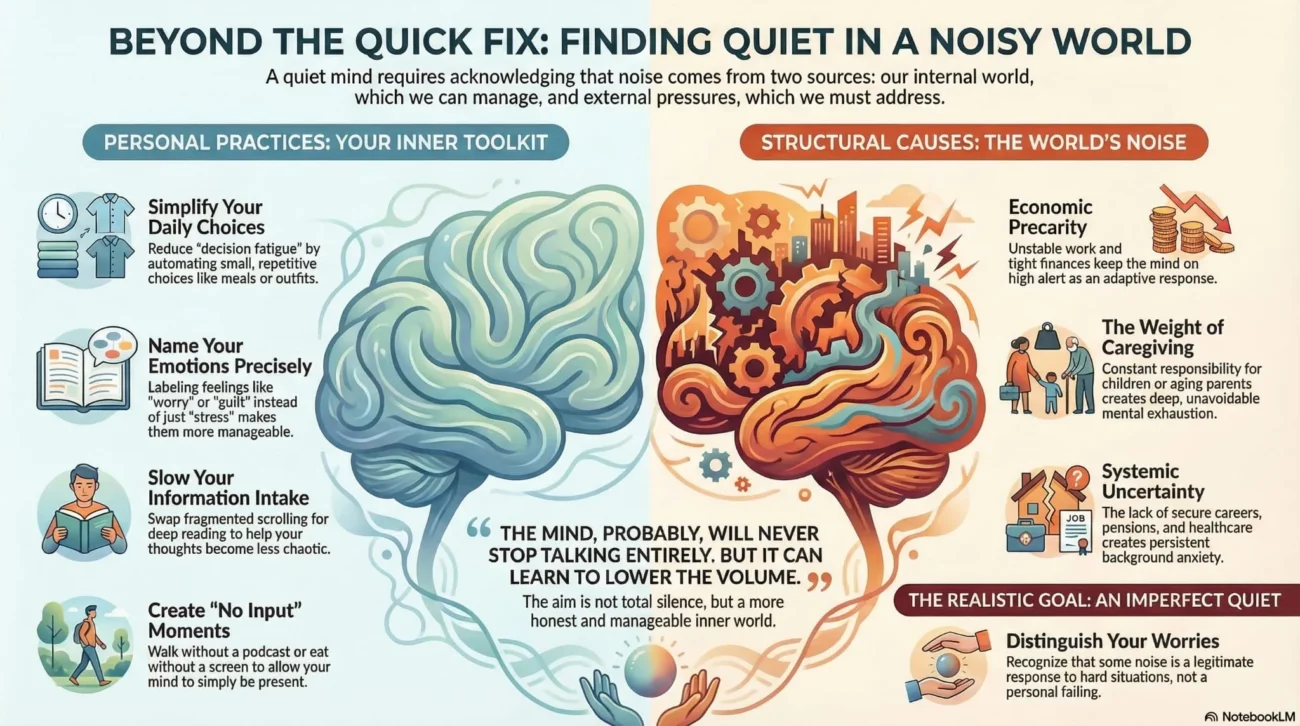
Modern life overloads the brain with information. Notifications, videos, emails, arguments, headlines, and social media create nonstop mental stimulation.
The brain was not designed to process endless information every waking hour.
Mental overload often causes:
- Brain fog
- Irritability
- Anxiety
- Short attention span
- Emotional numbness
- Sleep problems
Signs your brain may need quiet time:
| Sign | What It Suggests |
|---|---|
| Difficulty focusing | Mental overstimulation |
| Feeling emotionally drained | Information overload |
| Constant distraction | Attention fatigue |
| Irritation from small problems | Nervous system stress |
| Trouble relaxing | Brain remains alert |
Healthy quiet habits include:
- Sitting outside without a phone
- Reading slowly
- Listening to calm music
- Spending time in silence
- Reducing unnecessary screen time
- Turning off notifications
Mental peace often returns when stimulation decreases.
Speak to Yourself Better
Many people would never speak harshly to friends the way they speak to themselves internally.
Negative self-talk slowly damages mental health.
Common harmful inner thoughts include:
- “I always fail.”
- “I’m behind everyone else.”
- “I’m not good enough.”
- “Nobody cares.”
- “I ruin everything.”
The brain repeats familiar thoughts automatically. Repeated negative thinking trains the mind toward anxiety and hopelessness.
Healthy self-talk sounds different:
| Harmful Thought | Healthier Replacement |
|---|---|
| “I’m terrible at this.” | “I’m still learning.” |
| “I failed again.” | “That situation did not work out.” |
| “Nobody likes me.” | “I feel disconnected right now.” |
| “I’m weak.” | “I’m tired and stressed.” |
Mental health improves when thoughts become more realistic instead of constantly negative.
This does not mean pretending life is perfect. It means removing unnecessary emotional attacks against yourself.
Eat in Ways That Support the Brain
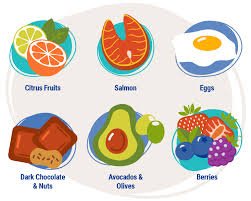
Food affects mental health more than many people realize. The brain requires steady nutrition to regulate emotions properly.
Highly processed diets often increase energy crashes and mood instability.
Foods connected with better mental function include:
- Vegetables
- Fruits
- Whole grains
- Nuts
- Fish
- Eggs
- Yogurt
- Beans
- Water-rich foods
Food habits that may worsen mental health:
| Habit | Possible Effect |
|---|---|
| Excess sugar | Mood crashes |
| Skipping meals | Irritability |
| Constant junk food | Low energy |
| Too much caffeine | Anxiety increase |
| Dehydration | Brain fog |
Nutrition alone cannot solve emotional struggles, but poor eating habits often make mental health harder to manage.
Spend Time Around Safe People
Human connection strongly affects emotional health.
Supportive relationships help regulate stress naturally. Unsafe relationships create emotional exhaustion.
Good relationships often provide:
- Emotional comfort
- Stability
- Encouragement
- Laughter
- Accountability
- Reduced loneliness
Toxic relationships often create:
| Relationship Problem | Mental Effect |
|---|---|
| Constant criticism | Low self-esteem |
| Manipulation | Anxiety |
| Emotional unpredictability | Stress |
| Dishonesty | Emotional insecurity |
| Lack of support | Isolation |
People sometimes underestimate how much their environment affects mental stability.
Spending time with emotionally safe people protects mental health over time.
Stop Treating Rest Like Laziness
Many adults feel guilty while resting. Productivity culture teaches people that slowing down means failure.
The brain cannot stay emotionally healthy without recovery time.
Rest is not laziness. It is maintenance.
Healthy forms of rest include:
- Quiet evenings
- Reading
- Sitting outside
- Taking breaks
- Naps
- Creative hobbies
- Watching something relaxing
- Gentle walks
Signs you may need rest:
| Sign | Meaning |
|---|---|
| Constant irritability | Mental exhaustion |
| Feeling numb | Emotional overload |
| No motivation | Burnout building |
| Physical fatigue | Stress accumulation |
| Trouble concentrating | Brain overworked |
Burnout usually develops slowly through ignored exhaustion.
Keep a Stable Daily Routine
The brain likes predictability. Stable routines reduce mental stress because the nervous system knows what to expect.
Chaotic schedules often increase anxiety.
Helpful daily structure includes:
- Regular wake times
- Meal timing
- Planned work blocks
- Exercise times
- Sleep routines
- Relaxation periods
Routine benefits include:
| Benefit | Mental Impact |
|---|---|
| Predictability | Less stress |
| Better sleep | Improved emotional control |
| Time management | Reduced overwhelm |
| Consistency | Better habit formation |
Routine does not mean every day must look identical. It means creating enough stability for the brain to feel secure.
Reduce Social Media Comparison
Comparison damages emotional health quietly.
People compare their real lives to edited highlights online. That creates feelings of failure, insecurity, jealousy, and sadness.
Common emotional effects of comparison:
- Feeling behind in life
- Low confidence
- Body image struggles
- Career insecurity
- Relationship jealousy
Healthy social media habits include:
| Better Habit | Why It Helps |
|---|---|
| Limiting screen time | Reduces mental overload |
| Unfollowing harmful accounts | Protects self-esteem |
| Taking breaks from apps | Improves focus |
| Avoiding late-night scrolling | Better sleep |
| Following educational content | Less emotional stress |
Mental peace often improves when comparison decreases.
Learn How to Calm Stress Physically
Stress is not only emotional. It also affects the body physically.
Common physical stress symptoms include:
- Tight shoulders
- Headaches
- Fast heartbeat
- Upset stomach
- Jaw clenching
- Muscle tension
Daily calming habits help regulate the nervous system.
Helpful calming techniques:
| Technique | Mental Benefit |
|---|---|
| Deep breathing | Slows stress response |
| Stretching | Releases tension |
| Warm showers | Relaxes muscles |
| Walking outside | Clears mental pressure |
| Meditation | Reduces overthinking |
| Journaling | Organizes thoughts |
The body and brain constantly affect each other.
Spend Less Time Around Constant Negativity
Some environments drain emotional energy continuously.
Negativity overload may include:
- Constant arguments
- Complaining
- Gossip
- Criticism
- Online hostility
Mental health improves when emotional exposure becomes healthier.
Signs an environment hurts your mental health:
| Sign | Example |
|---|---|
| Feeling drained after conversations | Emotional overload |
| Anxiety before social events | Unsafe environment |
| Constant tension | Emotional instability |
| Walking on eggshells | Fear-based interaction |
Protecting mental health sometimes means reducing access to harmful people or spaces.
Small Wins Build Emotional Strength
Many people focus only on major achievements. The brain also benefits from small progress.
Small accomplishments create motivation and emotional stability.
Examples include:
- Making the bed
- Finishing a workout
- Drinking enough water
- Cooking a meal
- Cleaning one room
- Completing tasks on time
Small wins help because they create a sense of control.
| Small Win | Emotional Effect |
|---|---|
| Organized space | Less stress |
| Completed task | Confidence boost |
| Healthy meal | Self-care reminder |
| Daily walk | Mental reset |
Mental strength often grows through repeated small actions.
Nature Helps the Brain Recover
Natural environments calm the nervous system.
Studies repeatedly show that time outside reduces stress hormones.
Nature benefits include:
- Lower anxiety
- Better mood
- Improved focus
- Reduced mental fatigue
Helpful outdoor habits:
| Outdoor Habit | Mental Benefit |
|---|---|
| Walking in parks | Calms racing thoughts |
| Gardening | Relaxing focus |
| Sitting in sunlight | Mood support |
| Hiking | Mental reset |
Even short outdoor time helps the brain recover from mental overload.
Boundaries Protect Emotional Energy
Mental health suffers when people constantly ignore their own limits.
Boundaries are necessary for emotional stability.
Healthy boundaries may include:
- Saying no
- Limiting stressful interactions
- Taking breaks
- Protecting sleep time
- Avoiding toxic conversations
Without boundaries, stress increases quickly.
| Weak Boundary | Possible Result |
|---|---|
| Always saying yes | Burnout |
| Ignoring exhaustion | Emotional collapse |
| Accepting disrespect | Low self-worth |
| Constant availability | Mental fatigue |
Boundaries are not selfish. They protect emotional health.
Keep Problems From Living Only in Your Head
Overthinking grows when thoughts stay trapped internally.
Writing thoughts down often reduces emotional pressure.
Journaling helps by:
- Organizing thoughts
- Releasing stress
- Identifying patterns
- Clarifying emotions
Simple journal ideas:
| Prompt | Purpose |
|---|---|
| “What stressed me today?” | Emotional awareness |
| “What helped me feel calm?” | Pattern recognition |
| “What am I avoiding?” | Self-reflection |
| “What went well today?” | Balanced thinking |
Mental clarity improves when thoughts become visible instead of endlessly repeating internally.
Healthy Mental Habits Take Time
People often quit healthy habits too early because results are gradual.
Mental health changes slowly through repetition.
A person may not notice improvement immediately, but over weeks the effects become stronger.
Realistic progress signs include:
- Slightly better mood
- Less emotional reactivity
- Improved patience
- Better sleep
- Reduced overthinking
- More emotional stability
Mental health is not fixed overnight.
Habits That Protect Your Mental Health
Mental health protection does not require perfection, expensive routines, or dramatic life changes. The strongest emotional support usually comes from ordinary daily habits repeated consistently.
Small actions matter more than occasional extreme effort.
Drinking enough water, sleeping properly, moving the body, limiting stress overload, resting without guilt, building healthy relationships, and protecting emotional boundaries all strengthen mental stability over time.
People often search for one major solution to emotional stress. In reality, mental wellness usually grows through many small habits working together quietly every day.