

Stress Management is an obvious reality in day to day life and how the couples handle it determines whether they will be willing to continue their relationship or it will only widen the emotional gap between them. Development of a relationship extends much beyond romance and dreams together, it also includes learning to handle the pressure, express feelings and conflict in a healthy manner. Occasionally, seeing a therapist or researching relationship therapy can be a source of good advice, as it makes the partners know each other and develop a better ability to cope. A joint approach to stress will enable the couples to use tough times as a chance to connect, develop, and work as a team.
For couples, stress management is about turning hard times into moments of understanding, growth and teamwork.
How Stress Affects Relationships
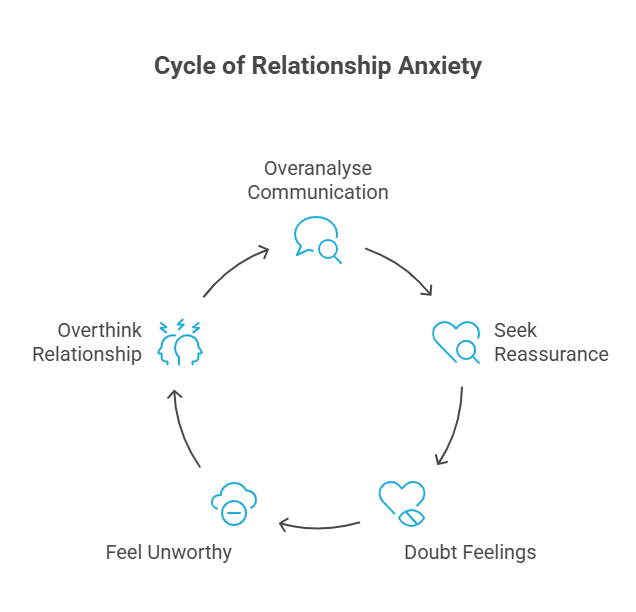
Stress doesn’t stay contained within one person it often spills into the relationship.
| Aspect | Description |
|---|---|
| Shared Emotional Impact | When one partner feels overwhelmed, it can affect communication, patience, and emotional availability. |
| Outside Pressures | Work demands, financial worries, or family responsibilities can place extra strain on the relationship. |
| Inside Challenges | Miscommunication, unmet needs, or personal insecurities may create emotional tension between partners. |
| Ripple Effect | Stress experienced by one person can influence the other’s mood, reactions, and behavior. |
Recognizing these patterns is the first step toward healthier connection.
Essential Stress Management Skills for Couples
Emotional Awareness
You should learn to be able to tell your own stress signals, like you feel irritable, you feel exhausted, or you have checked out, and learn to be aware of when your partner is too. Emotional awareness will help lessen misunderstanding and emotional distance, when you are practicing emotional awareness, you can react with compassion rather than impulsively.
Honest and Open Communication.
Be honest in expressing your ideas and emotions and do it in a calm and respectful manner. Be specific like using I statements such as I feel stressed when… instead of blame. Constructive check-ins allow establishing a secure environment to communicate about the problem in the initial stages before minor problems evolve into major ones.
Active Listening
Provide your partner with undivided attention with no interruptions and distractions. Be a good listener, not a merely a responder. Reflecting back on what you hear is useful to ensure there is clarity, display empathy and enhance emotional attachment.
Working as a Team
Fight together as opposed to viewing one another as adversaries. Work together, give in when necessary and help each other through tough times. Attacking issues as a unit fosters trust, resilience and enhanced sense of collaboration.
Healthy Ways Couples Can Reduce Stress
- Move Together: Walking, exercising, or dancing can release tension and boost mood.
- Create Relaxing Rituals: Simple habits like sharing tea, practicing deep breathing, or meditating together can bring calm.
- Add Fun and Variety: Trying new activities or taking short trips can refresh emotional connection.
- Respect Personal Space: Self-care matters. Taking time individually helps prevent emotional burnout.
Handling Conflict with Care
When you are high with emotions, it is better to stop and take a breath. Concur to go back to difficult discussions when the partners are more relaxed and on their feet. Stay calm, do not accuse or use harsh words and find solutions instead of showing who is right. Being patient and respectful and ready to listen to one another in conflict situations will ensure the avoidance of resentment and enhance emotional attachment with the course of time.
Long-Term Habits for Stronger Relationships
- Build Trust: Be reliable, honest, and consistent.
- Practice Empathy: Try to understand your partner’s perspective, even when you disagree.
- Show Appreciation: Small acts of kindness and gratitude go a long way.
- Adopt a Growth Mindset: View challenges as chances to learn more about each other and strengthen your bond.

Conclusion
It is not the avoidance of challenges that leads to success coping with stress management in relationships, it is the learning of how to deal with the challenge as a couple. There are ways of embracing stress because with open communication, empathy and support to each other, stress may be the bond that holds the couples together and not the one that separates them. However, when the two parties commit to grow and evolve together, even the dark times will allow having a trust, deep emotional bond, and strengthening the relationship by means of time, a stronger and more affectionate one.