

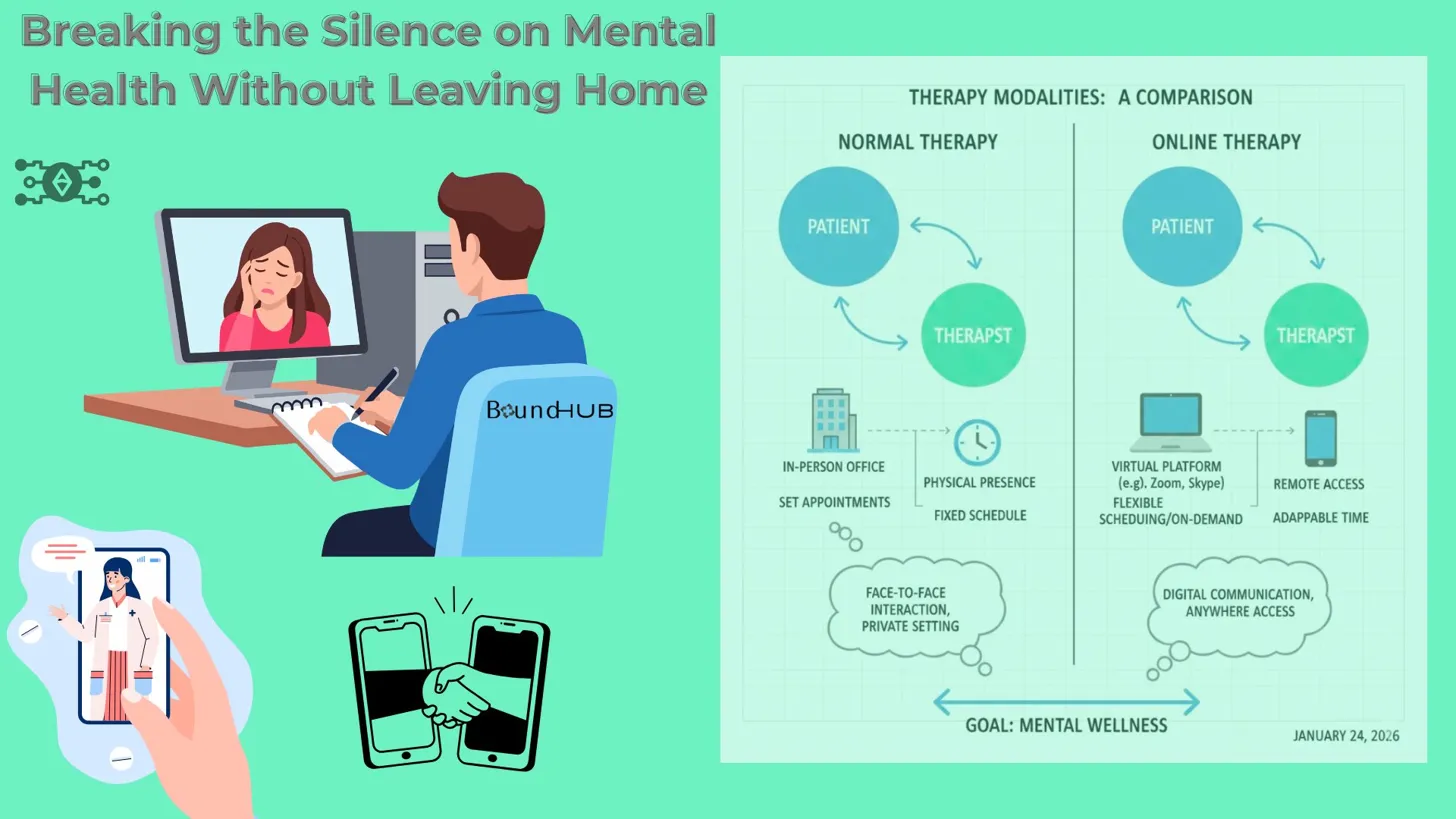
Breaking the Silence on Mental Health has been excluded, hidden or hiding whispers for so long. For many people, however, it is still shy and afraid to express their feelings. Some modern people also feel compelled to take everything on themselves. But times have changed and for the better. Today, it’s not only possible to break the silence on mental health without leaving home, but that is beginning to be expected.
You no longer need to go into a clinic, fill out the form, sit in its waiting room, or face your own eyes when explaining what’s wrong. From your own home or even on your cellphone or computer if you like-you can talk, learn, heal, and grow slowly. How people are breaking the silence around mental health at home Why breaking this silence matters What tools actually help, anyway How this approach is different from most blog posts but much more effective
Understanding Why Mental Health Silence Still Exists

Many people still feel uncomfortable talking about mental health. They are afraid of other people’s judgment. Some think their problems are not “big enough.” Others worry that showing weakness will make them appear weak.
This silence causes more pain than the problem itself. When people hide their feelings, stress quietly grows. Their sleep deteriorates. Their connections with others go awry. Minor matters become increasingly heavy crosses. Breaking the silence on mental health without leaving home gives people a gentler, safer way to say their piece.
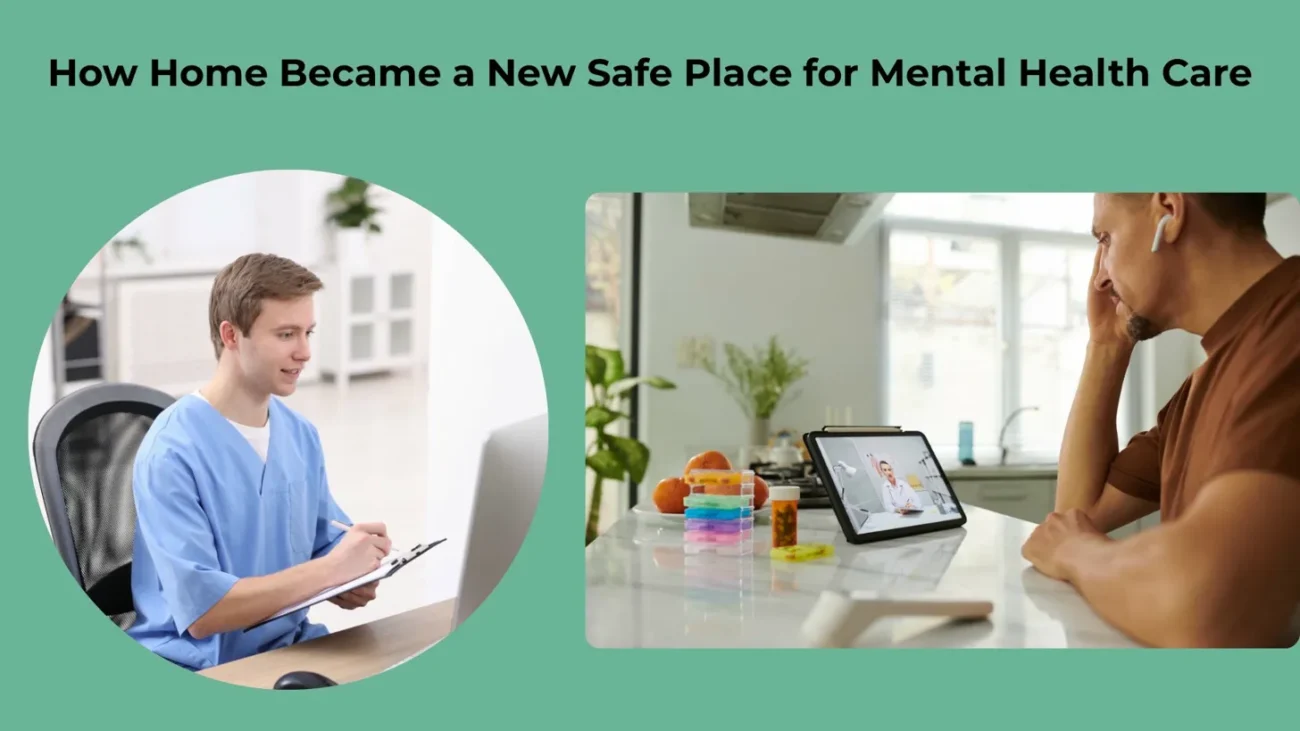
How Home Became a New Safe Place for Mental Health Care
Not long ago, help only existed in offices and hospitals. Now, your home can be your healing place. With phones, laptops, and the internet, support is closer than ever. From your bedroom or living room, you can talk to a therapist, join a support group, or learn how to manage stress. This shift has helped people who feel shy, busy, or anxious about going out. Home feels familiar. When people feel safe, they speak more honestly. That alone makes mental health support stronger and more real.
Online Therapy Changed the Way People Ask for Help
Online therapy is one of the biggest reasons people now break the silence more easily. As a result, people are now more willing speak out by far than before. Living in the internet age that we do, people can use video, voice or text to talk with a trained listener who has practiced their craft long and well.
The software does not insist on a pedantic lecture but an ideal is to write feelings out. That ‘you consider its yourself. Rather than on its own to make your depression worse, the option puts control back in the hands of person needing help. Another bit of new data that most sites miss is something called time-delayed or message-based therapy. In this style, people send messages at any time and then receive responses later on.
This works fine for those who do not like live calls or have become quite busy since they started working out. And it also gives people a chance to think before they speak something which can be very soothing indeed.
Mental Health Apps Made Support Fit in Your Pocket
| Topic | Description |
|---|
| Purpose of apps | Apps are not only for games, messaging, or photos, but can also help with mental health in simple and useful ways. |
| Mood tracking | Some apps help track mood changes over time. |
| Relaxation support | Other apps guide users in breathing and relaxing. |
| Learning support | Some offer short lessons on managing worry or sadness. |
| Popular use | Many people use these tools every day without thinking much about it. |
| Common mistake | Using too many apps at once can make you feel tired instead of helped. |
| Best practice | One or two well-chosen apps are enough for most people. |
| Early awareness | These tools help users notice their feelings earlier. |
| Preventing bigger problems | Early awareness helps stop problems from becoming too heavy to manage. |
The Role of Mental Health Awareness Month
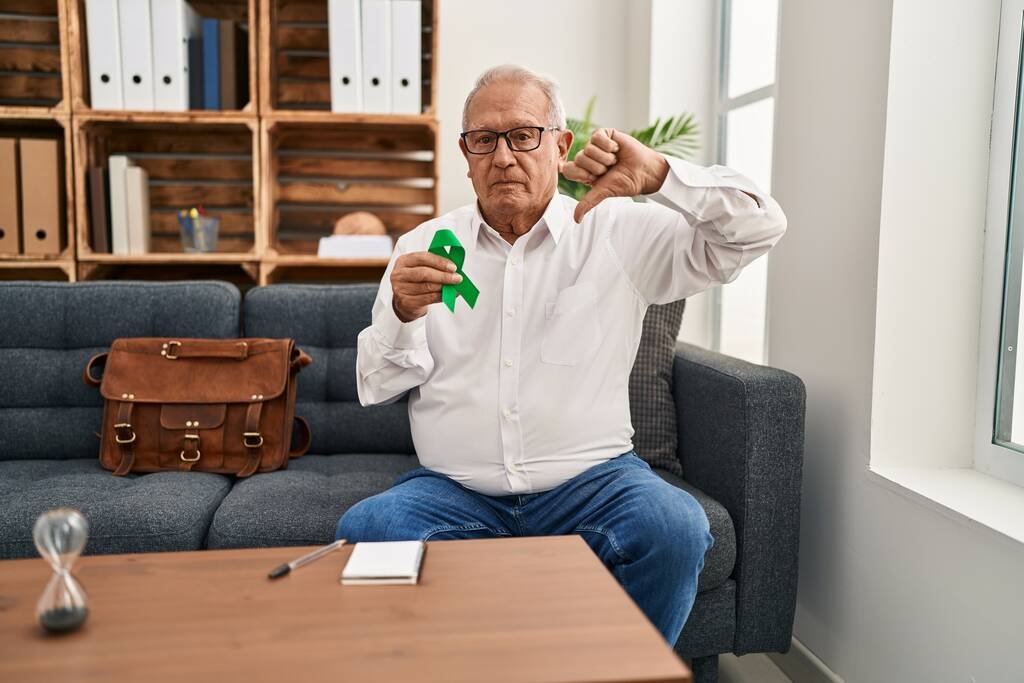
Mental Health Awareness Month plays an important role in encouraging people to talk openly about mental health. Every year in May, individuals, schools, workplaces, and organizations focus attention on emotional well-being.
They share helpful information, personal stories, and trusted facts to reduce stigma and increase understanding. They also provide tools and resources that guide people toward getting the support they need.
This month reminds us that mental health is important every day, not only in May. However, it gives a special opportunity to begin or strengthen these conversations.
Workplaces organize activities, schools teach students about emotional health, and friends take time to check in on one another. These small but meaningful actions help create a culture where mental health is understood, respected, and supported.
Social Media Can Help or Hurt Mental Health
Social media plays an important role in today’s emotional life. It can help or harm mental health, depending on how it is used. Following pages that truthfully talk about emotions, healing, and personal growth can be very helpful. Shortly, comparing to live compared life with somebody else’s looks like perfect photos text makes everyone think, ‘How small I feel’. It is a healthy habit to clean your feed. Keep what lifts you up. Get rid of what makes you feel bad about yourself. And yes, taking breaks from social media is also a healthy choice rather than something for which you hate yourself.
Daily Habits That Quietly Improve Mental Health at Home
Not everything about mental health needs an app or a therapist. Little daily habits count for a lota Sounds simple, but when you think about it, your mini habits really do add up into huge differences to how your day goes and whether it feels fulfilling.
Sleeping at the same time every night helps your mind take a break. A body that in good order thanks to a generous supply of water.
I will try this Young Woman’s Advice and see how it makes me feel.’ If directors or staff at my company think differently because listening to some water people says that they are right While you may not be able to take a long walk in the fresh air right now, a lazy walk in a park or even round your home can change your mood., On first day of sunshine sitting in an office,
I almost said aloud,’Ah word of the day!’ Sunlight through a window changes the way you feel more than you know. With these simple actions, you form a solid foundation for mental health without making any big fuss.
Breaking the Silence on Mental Health Without Leaving Home Is for Everyone
Taking this approach does not only apply to people who have bigger problems, for example, students feeling under pressure, parents who are exhausted, workers under tension or somebody now and then in low spirits. By no means is mental health simply to fix something that has gone wrong. It is more like tending to your mind in the way you would feed and water a thriving flower. And Nurturing yourself will come much more easily at home in your warm and fuzzy slippers.
FAQs About Breaking the Silence on Mental Health Without Leaving Home
Is online mental health support really effective?
Yes, many people find online support just as helpful as in-person help, especially for talking, learning, and managing daily stress.
Do I need money to get mental health help online?
Not always. Many free apps, helplines, and community groups exist online that offer real support without cost.
Can I trust online therapists and groups?
Most trusted platforms check their professionals carefully. Still, it’s smart to read reviews and use well-known services.
What if I don’t feel comfortable talking on video?
That’s okay. Many platforms offer text or voice options. You can choose what feels safe for you.
Is it okay to handle mental health only from home?
For mild to moderate issues, yes. But for serious concerns, mixing home support with professional in-person care is often best.
Conclusion
The new post Breaking the Silence on Mental Health Without Leaving Home reminds people it’s not necessary to hide from the world. What it does mean, though, is that you should seek comfort while also seeking care. It’s about speaking in your own manner and at your own pace.
It’s about speaking from some refuge where you feel secure. You needn’t shout. You don’t have to explain everything perfectly. Just getting started is good enough. Your mind needs care. Your feelings need room to move around in. And your voice deserves a hearing, even if that start is passed quietly at home.